
Our Safeguarding Policy
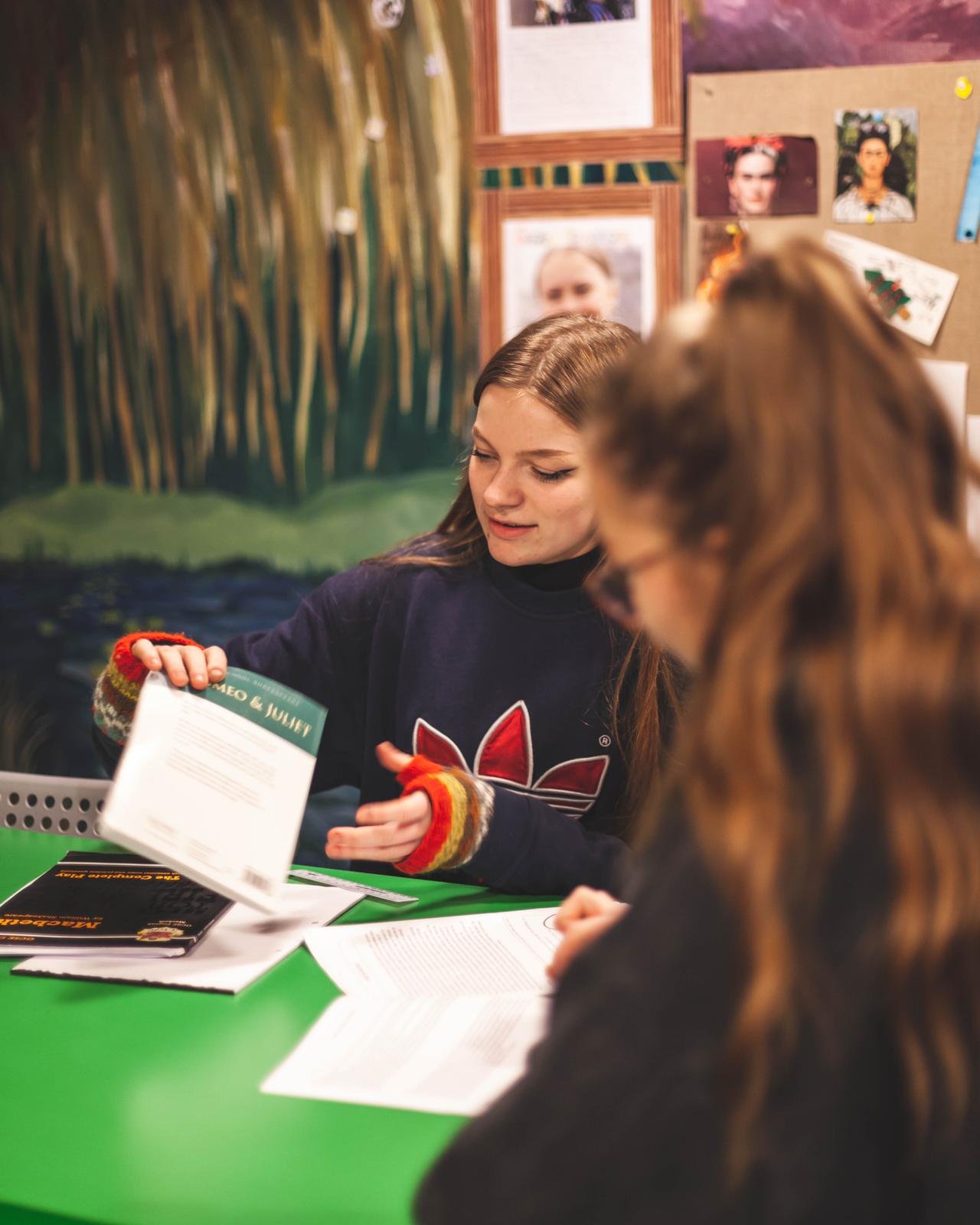
At RTQ, Safeguarding is our priority when working with all students. See below our policies and ways to contact our Safeguarding leads.
Our Safeguarding Commitment
Safeguarding & Child Protection
Keeping children and young people safe
At RTQ, the safety, wellbeing and welfare of every child and young person we support is our highest priority.
We recognise that children and young people may face a wide range of risks and vulnerabilities, both within and outside of education. Our responsibility is to create a safe, respectful and supportive environment in which every student can learn, develop confidence and reach their potential.
Safeguarding is everyone's responsibility at RTQ. We take a child-centred approach and ensure that concerns about a student's safety or wellbeing are taken seriously, recorded appropriately and acted upon in accordance with our safeguarding procedures.
Our approach reflects current statutory guidance and recognised good practice, including Keeping Children Safe in Education (KCSIE) 2026, Working Together to Safeguard Children 2026, the Department for Education's guidance for out-of-school settings, private tuition and supplementary education, and relevant Prevent guidance.
Our safeguarding commitment
We are committed to:
protecting children and young people from abuse, neglect, exploitation and other forms of harm;
promoting the physical and emotional wellbeing of every student;
providing a safe and supportive learning environment;
listening to children and taking their concerns seriously;
maintaining clear professional boundaries between tutors and students;
ensuring concerns are reported, recorded and followed up appropriately;
working constructively with parents, carers, schools and other professionals where appropriate;
sharing information with relevant safeguarding agencies when necessary to protect a child;
ensuring staff and tutors understand their safeguarding responsibilities;
continually reviewing and improving our safeguarding arrangements.
Our Designated Safeguarding Lead
RTQ has a Designated Safeguarding Lead (DSL) who has responsibility for overseeing safeguarding and child protection.
Designated Safeguarding Lead:
Joanne Austin
Email: contact.readthequestion@gmail.com
Telephone: 07970863999
Deputy Designated Safeguarding Lead(s):
Rosa Austin / Marie-Elise Worswick
Email: tayberrytc@gmail.com
The DSL provides advice and support to tutors and staff, oversees safeguarding concerns and ensures that appropriate action is taken where there may be a risk of harm to a child or young person.
[ADD PHOTO / DSL CERTIFICATE HERE]
How RTQ keeps students safe
Safer recruitment
The people who work with children at RTQ are carefully selected and supported.
Our recruitment and safeguarding procedures include appropriate checks and consideration of a person's suitability to work with children.
All RTQ tutors are DBS checked.
We maintain appropriate records relating to recruitment, DBS checks, safeguarding training and other relevant checks.
[ADD DBS / SAFER RECRUITMENT INFORMATION OR CERTIFICATES HERE]
We also ensure that tutors understand RTQ's expectations around professional conduct, safeguarding and appropriate relationships with students.
Safeguarding training
Tutors and relevant staff receive safeguarding training appropriate to their role.
This includes awareness of:
child protection and safeguarding;
recognising signs that a child may be at risk;
responding to safeguarding disclosures;
recording and reporting concerns;
online safety;
professional boundaries;
Prevent and awareness of radicalisation;
appropriate information sharing;
the responsibilities of the Designated Safeguarding Lead.
Our safeguarding training is reviewed and updated in line with relevant guidance.
[ADD SAFEGUARDING TRAINING CERTIFICATES HERE]
Professional boundaries
Maintaining appropriate professional boundaries is an essential part of safeguarding.
RTQ tutors are expected to:
maintain professional relationships with students at all times;
communicate with students through appropriate channels and in accordance with RTQ procedures;
avoid inappropriate personal or private relationships with students;
maintain appropriate physical and emotional boundaries;
never engage in behaviour that could place a child or young person at risk;
report safeguarding concerns or boundary issues promptly;
follow RTQ's tutor code of conduct and safeguarding procedures.
Our management team provides ongoing oversight of tutors and their work.
One-to-one and online tuition
RTQ provides both one-to-one and online tuition, and we recognise that safeguarding arrangements need to take account of the different environments in which learning takes place.
For online tuition, we use appropriate platforms and procedures and expect tutors to follow RTQ's online safety requirements.
We encourage parents and carers to remain appropriately involved in their child's learning and communication with RTQ.
Where a safeguarding concern arises during an online or in-person session, tutors must follow RTQ's safeguarding procedures and report the concern to the DSL.
Recognising and responding to concerns
A safeguarding concern may arise because of something a student tells us, something a tutor observes, information shared by a parent or professional, or a change in a student's behaviour or circumstances.
Concerns may relate to, for example:
physical abuse;
emotional abuse;
sexual abuse;
neglect;
exploitation;
bullying or harassment;
online safety;
grooming;
child criminal or sexual exploitation;
domestic abuse;
inappropriate adult behaviour;
mental or emotional wellbeing;
radicalisation or extremist influence;
concerns about a member of staff or tutor.
A concern does not need to be proven before it is reported.
If a student tells a tutor that something is wrong, the tutor will listen carefully, take the concern seriously and avoid making promises about confidentiality. The concern will be passed to the DSL in accordance with RTQ's safeguarding procedures.
The DSL will consider the information and determine the appropriate next steps, which may include working with the parent or carer, school or other professionals, or making a referral to the appropriate safeguarding service.
Where there is an immediate risk of harm, emergency services or children's social care may need to be contacted without delay.
Reporting a safeguarding concern
If you are a student
If something is worrying you, or you do not feel safe, please tell an adult you trust.
You can speak to your RTQ tutor, the RTQ DSL or another member of the RTQ team.
You do not need to be certain that something is wrong before speaking to someone.
RTQ Designated Safeguarding Lead:
Jo Austin
contact.readthequestion@gmail.com
07970863999
If you are a parent or carer
If you have a safeguarding concern about a child or young person attending RTQ, please contact our DSL as soon as possible.
Designated Safeguarding Lead:
Jo Austin
contact.readthequestion@gmail.com
07970863999
If your concern relates to a member of the RTQ team, please use the reporting arrangements below and do not rely solely on the individual concerned to manage the issue.
If there is an immediate danger
If you believe a child is in immediate danger, call 999.
For concerns about a child in Calderdale, information and safeguarding concerns can also be reported through Calderdale Safeguarding Children.
Outside normal working hours, urgent safeguarding concerns can be raised through the relevant emergency duty service.
Concerns about an RTQ tutor or member of staff
RTQ takes all concerns about the behaviour or conduct of adults working with children seriously.
If a concern is raised about a member of the RTQ team, it will be handled in accordance with our safeguarding and allegations procedures.
This includes concerns about inappropriate behaviour, professional boundaries or any behaviour that may place a child at risk.
Where appropriate, RTQ will seek advice from the relevant safeguarding professionals and/or the Local Authority Designated Officer (LADO).
Concerns should be reported to:
Joanne Austin - contact.readthequestion@gmail.com - 07970863999
If the concern relates to the DSL, it should be reported to:
Rosa Austin - tayberrytc@gmail.com
Low-level concerns
RTQ recognises that safeguarding is not limited to serious incidents.
We encourage staff, tutors, students, parents and professionals to raise concerns about behaviour that may appear inappropriate, unprofessional or inconsistent with RTQ's expectations, even where the behaviour does not meet the threshold for a formal safeguarding referral.
Such concerns will be considered appropriately, recorded where necessary and used to support a strong culture of safeguarding and professional accountability.
Online safety
Online safety forms an important part of RTQ's safeguarding arrangements.
We recognise that children and young people may face risks when using the internet, social media, messaging services, gaming platforms and other digital environments.
RTQ tutors receive appropriate online safety awareness and are expected to:
use approved communication and learning platforms;
maintain professional boundaries online;
avoid inappropriate communication with students;
report concerns about online behaviour or content;
follow RTQ's data protection and information-sharing procedures;
support students to recognise and respond to online risks.
Parents and carers are encouraged to speak regularly with their children about their online experiences and to let RTQ know if something affecting their child's safety or wellbeing may impact their learning.
[LINK TO ONLINE SAFETY POLICY]
Prevent and radicalisation
RTQ recognises its safeguarding responsibility in relation to children and young people who may be vulnerable to radicalisation or extremist influence.
Prevent forms part of our wider safeguarding approach. Relevant staff receive awareness training and concerns are managed through our safeguarding procedures.
Where appropriate, concerns may be discussed with safeguarding partners and referred through the appropriate Prevent or safeguarding pathway.
[ADD PREVENT TRAINING CERTIFICATE HERE]
Working with parents, schools and professionals
We work closely with parents, carers, schools and other professionals to understand the individual needs of our students.
This is particularly important for students accessing Alternative Provision, students experiencing barriers to education, and students who may already be receiving support from other services.
Where appropriate and lawful, RTQ may share relevant information with schools, local authorities, social care and other professionals where doing so is necessary to safeguard a child or support their welfare.
Our approach is centred around the individual student and aims to provide consistent, appropriate support around their education and wellbeing.
Alternative Provision and vulnerable learners
RTQ provides support to students who may experience barriers to mainstream education, including students experiencing:
EBSA or school avoidance;
exclusion or difficulties accessing school;
behavioural difficulties;
low confidence or motivation;
disrupted education;
difficulties with attendance;
additional or individualised learning needs;
Alternative Provision;
a return or transition back into education.
Our tutors are carefully selected and supported by the RTQ management team and follow our safeguarding policies and procedures.
Our trauma-informed approach aims to provide a calm, supportive environment where students can feel safe, build trust and re-engage with learning.
[LINK TO ALTERNATIVE PROVISION INFORMATION]
Safeguarding policies
Our safeguarding arrangements are supported by a suite of policies and procedures which are reviewed regularly.
These include:
Safeguarding & Child Protection Policy
Safer Recruitment Policy
Tutor Code of Conduct
Online Safety Policy
Behaviour Policy
Anti-Bullying Policy
Whistleblowing Policy
Complaints Policy
Data Protection & Privacy Policy
Prevent / Radicalisation Policy or procedures
Health & Safety Policy
Allegations Against Staff / Low-Level Concerns Procedure
Our policies:
[DOWNLOAD SAFEGUARDING & CHILD PROTECTION POLICY]
[DOWNLOAD SAFER RECRUITMENT POLICY]
[DOWNLOAD ONLINE SAFETY POLICY]
[DOWNLOAD BEHAVIOUR & ANTI-BULLYING POLICY]
[DOWNLOAD WHISTLEBLOWING POLICY]
[VIEW ALL RTQ POLICIES]
Our safeguarding standards
We regularly review our safeguarding arrangements to ensure they remain appropriate for the children and young people we support.
This includes reviewing:
People
DBS checks, safer recruitment, safeguarding training and professional conduct.
Policies
Regular review and updating of safeguarding and related policies.
Practice
Management oversight, reporting procedures, professional boundaries and communication with parents and professionals.
Environment
Safe learning environments for both in-person and online tuition.
Training
Ongoing safeguarding, online safety and Prevent awareness.
Record keeping
Appropriate recording and management of safeguarding concerns and decisions.
Partnership working
Working with parents, schools, local authorities and safeguarding professionals where appropriate.
Our commitment to children and young people
We want every child who works with RTQ to feel safe, respected, listened to and supported.
Whether a student attends us for exam preparation, regular tuition, Alternative Provision, catch-up support or longer-term educational support, safeguarding remains at the heart of what we do.
If something does not feel right, please tell us.
You do not need to be certain that something is wrong before raising a concern. We would always rather know about a concern and consider it appropriately than have someone feel unable to speak.
Key safeguarding contacts
Designated Safeguarding Lead (DSL)
Joanne Austin
contact.readthequestion@gmail.com
07970 863 999
Deputy DSL
Rosa Austin
tayberrytc@gmail.com
07494145057
RTQ main contact
contact.readthequestion@gmail.com
07970 863 999
RTQ
4 Garden Street
Hebden Bridge
HX7 8AQ
Further information
RTQ's safeguarding approach is informed by current Department for Education guidance, including Keeping Children Safe in Education, Working Together to Safeguard Children, and the Department for Education's safeguarding guidance for out-of-school settings and private tuition.
[KEEPING CHILDREN SAFE IN EDUCATION – GOV.UK]
[WORKING TOGETHER TO SAFEGUARD CHILDREN – GOV.UK]
[OUT-OF-SCHOOL SETTINGS: SAFEGUARDING GUIDANCE FOR PROVIDERS – GOV.UK]
Policy reviewed: [DATE]
Next review: [DATE]